
Modern architecture across the United States is increasingly focused on combining durability with distinctive design…
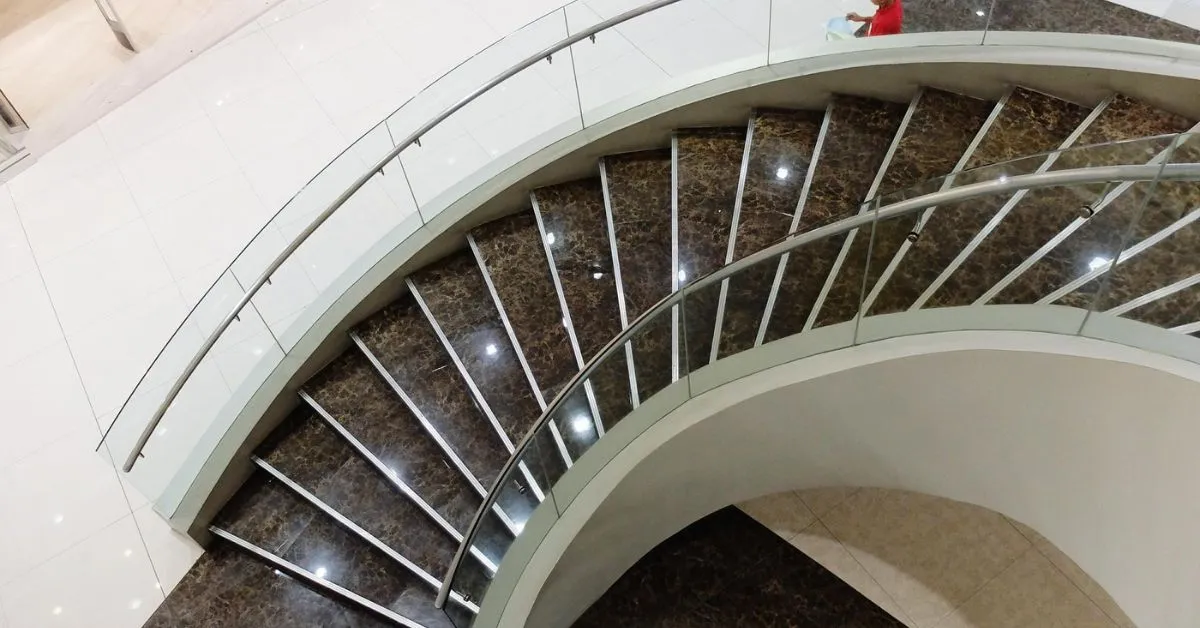
Modern architecture often demands solutions that combine strength, elegance, and minimal visual weight. Floating stair designs have become a defining feature in luxury homes and contemporary commercial spaces, offering clean lines and an open feel that traditional staircases cannot achieve. Among these designs, the cantilever staircase stands out as one of the most technically advanced and visually striking options.
This blog explains how a cantilever staircase is fabricated—from structural planning to final installation—using industry best practices and professional fabrication standards.
Understanding the Concept of a Cantilever Staircase
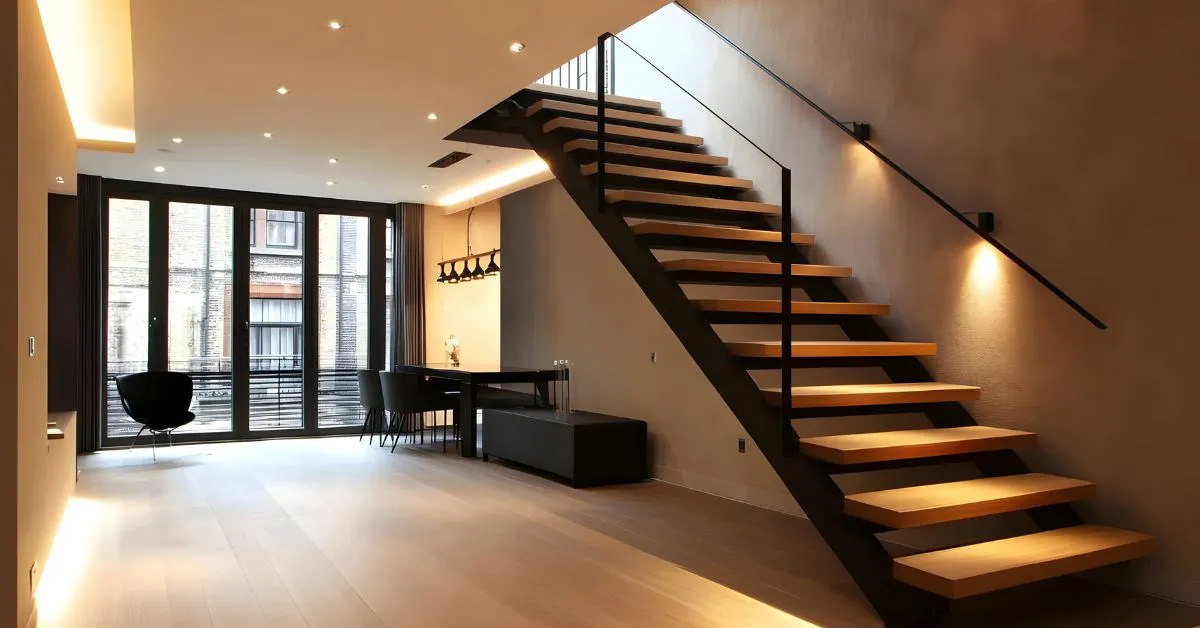
A cantilever staircase is a staircase design where each step appears to extend freely from a wall without visible support underneath. The illusion of floating steps is achieved through concealed structural systems embedded within the wall or internal steel framework.
Unlike conventional staircases, a cantilever staircase relies entirely on precise engineering and load transfer. This makes the fabrication process critical, as both safety and aesthetics depend on flawless execution.
Step 1: Structural Evaluation and Load Planning
The fabrication of a staircase always begins with a detailed structural assessment. Engineers calculate dead loads, live loads, tread projection limits, and wall strength to ensure the cantilever staircase structure can safely support the staircase.
Wall type plays a crucial role here. Reinforced concrete or steel-supported walls are typically required, as they provide the rigidity needed for a cantilever staircase to perform safely over time.
Step 2: Design Development and Technical Coordination
Once structural feasibility is confirmed, the design phase of the cantilever staircase begins. Architects and fabricators work together to define tread dimensions, riser height, spacing, and overall form.
Detailed shop drawings and 3D models are prepared to map out steel reinforcements, anchoring systems, and finishing details. These drawings ensure accuracy during fabrication and help prevent alignment or load-distribution issues later.
Step 3: Fabrication of the Internal Structural System
The hidden steel framework is the most critical component of a cantilever staircase. This typically includes embedded steel beams, anchor plate box sections designed to absorb and distribute loads back into the wall.
All steel components are precision-fabricated in a controlled workshop environment. High-grade structural steel is used to prevent deflection, vibration, or long-term fatigue, ensuring the cantilever staircase remains stable for decades.
Step 4: Manufacturing the Stair Treads
Stair treads define both the appearance and usability of a cantilever staircase. Popular materials include solid wood, engineered wood, stone, metal, or hybrid finishes depending on the design intent.
Each tread is manufactured to exact specifications and tested for load performance. Anti-slip finishes, edge detailing, and protective coatings are applied to ensure safety, durability, and a premium finish.
Step 5: On-Site Installation and Alignment
Installing a cantilever staircase requires high levels of skill and accuracy. The structural steel system is fixed first, followed by sequential installation of each tread.
Laser levels and precision tools are used to maintain consistent spacing and alignment. Even minor errors can disrupt the visual flow of a cantilever staircase, making careful execution essential during this stage.
Have a staircase project in mind? Contact Us to share your requirements with us, and we will guide you through the right design and fabrication approach.
Step 6: Glass Railings and Safety Systems
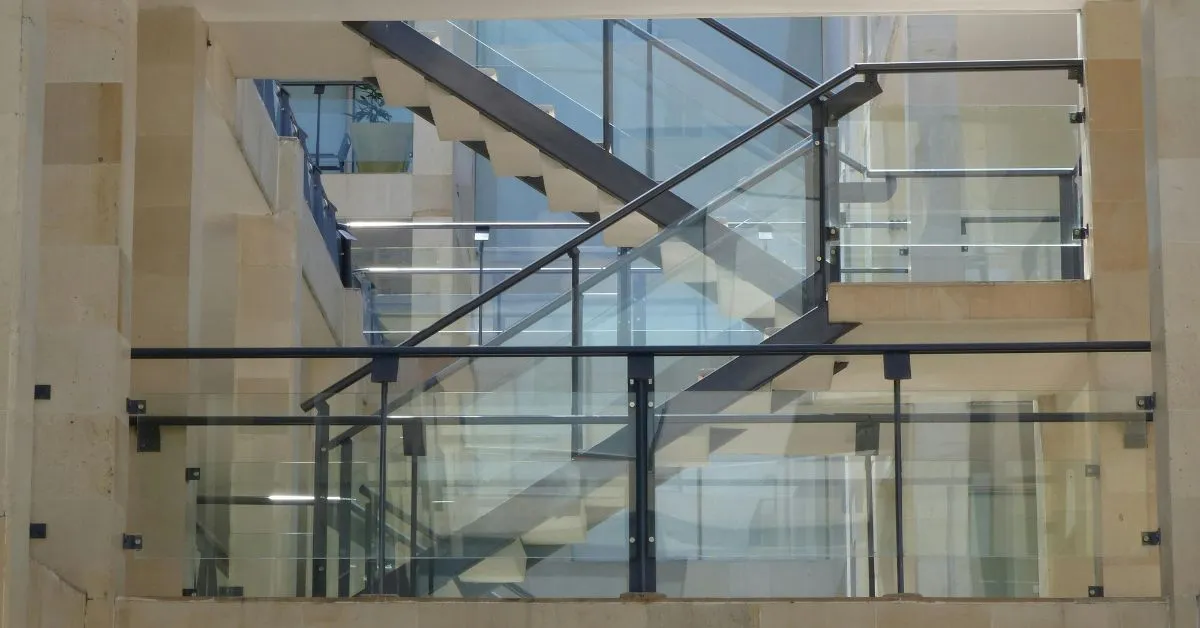
Most modern cantilever staircase designs incorporate glass railings to preserve openness and enhance safety. Toughened or laminated glass panels are fixed using concealed channels or minimal hardware systems.
These Cantilever Staircase safety features are designed to meet building codes while maintaining the floating effect., cantilevered structures must be engineered to handle load distribution efficiently, reinforcing the importance of professional design and fabrication.
Step 7: Finishing and Quality Testing
After installation, the cantilever staircase undergoes finishing processes such as polishing, sealing, surface protection, and hardware tightening. Load testing and vibration checks are also conducted.
A properly fabricated cantilever staircase should feel solid underfoot while maintaining its lightweight visual appeal—free from movement, noise, or deflection.
Why Professional Fabrication Is Essential?
A cantilever staircase is not a standard fabrication task. It demands close coordination between designers, engineers, fabricators, and installers.
Professional fabrication ensures:
- Structural safety and compliance
- Accurate load distribution
- Long-term durability
- Clean, seamless aesthetics
For premium projects, working with specialists experienced in cantilever staircase construction is essential to achieve reliable results.
Frequently Asked Questions
Is this type of staircase safe for daily use?
Yes, when engineered and fabricated correctly, it is extremely safe and durable.
What type of wall is required?
Reinforced concrete or steel-supported walls are typically required.
Can glass railings be added?
Yes, glass railings are commonly integrated for safety and aesthetics.
Does it require frequent maintenance?
No, high-quality materials and finishes keep maintenance minimal.
Conclusion
A cantilever staircase represents the perfect balance of engineering precision and architectural elegance. From structural planning of Cantilever Staircase and steel fabrication to tread installation and safety integration, every stage must be executed with accuracy and expertise.
If you are planning a modern interior or luxury architectural project, investing in a professionally fabricated cantilever staircase ensures a result that is visually striking, structurally sound, and built to last.
Related Posts