
Modern architecture across the United States is increasingly focused on combining durability with distinctive design…
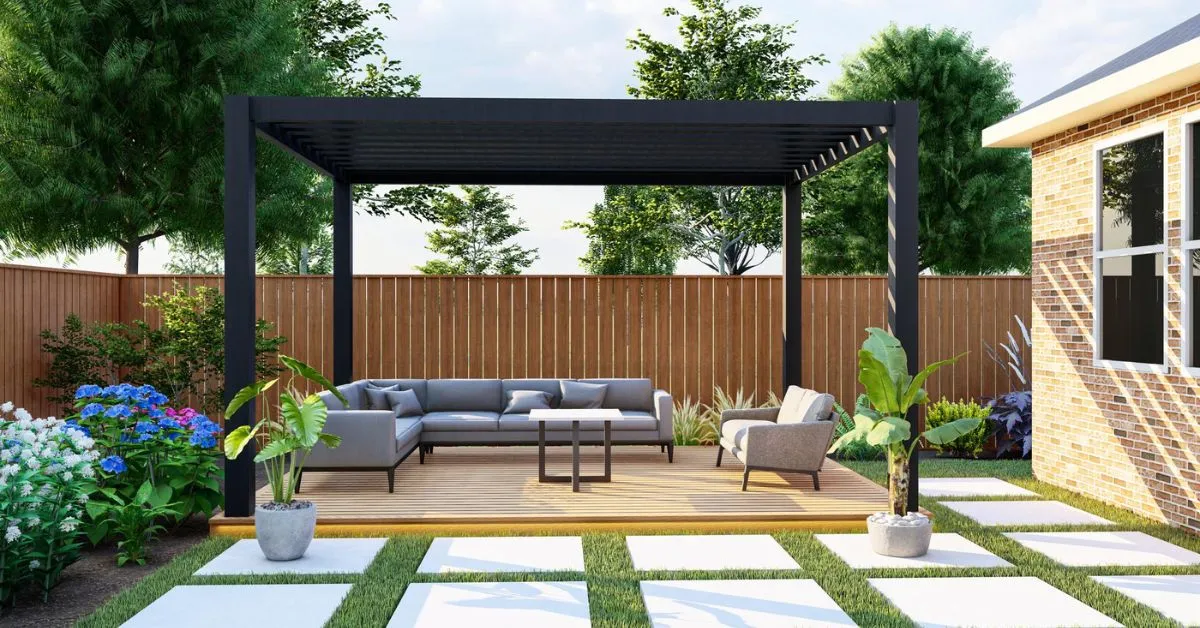
Planning a stylish outdoor space starts with choosing the right structure. A gazebo is more than just shade—it adds comfort, character, and long-term value to your property. Whether you’re creating a private garden corner, a luxury terrace, or a hospitality seating zone, selecting the right materials makes a huge difference in performance and appearance. With a well-built outdoor gazebo, your space can feel more premium, functional, and inviting year-round.
Table of Contents
In this guide, we’ll explore the best outdoor gazebo materials, popular styles, and smart design options so you can choose a solution that fits your space, budget, and weather conditions.
What Is an Outdoor Gazebo?
An outdoor gazebo is a freestanding structure designed for shade, relaxation, and gathering. It can be open on all sides, semi-covered, or enclosed depending on the requirement. Homes, resorts, cafes, and outdoor venues choose an outdoor gazebo because it improves seating comfort while enhancing the overall landscape.
When planned correctly, the structure becomes a long-lasting outdoor feature that blends beautifully with modern architecture and adds a premium touch to any property.
Why Choosing the Right Gazebo Material Matters?
The material you choose affects everything—from strength and maintenance to style and lifespan. A gazebo built in harsh sunlight, heavy rain, or coastal humidity requires different material planning compared to mild weather locations. A durable outdoor gazebo needs weather-friendly materials to stay stable, safe, and attractive over time.
When selecting materials, consider:
- Weather resistance
- Load-bearing strength
- Long-term maintenance
- Finish and appearance
- Cost vs lifespan
A well-planned gazebo design structure can last for years with minimal upkeep when the right materials are used.
Most Popular Outdoor Gazebo Materials
1) Wooden Gazebos (Classic and Premium Look)
Wood is a timeless choice for gazebo structures because it feels natural and luxurious. It blends beautifully with gardens and adds warmth to outdoor spaces. Many homeowners prefer a wooden outdoor gazebo for villas, farmhouses, and landscaped lawns where aesthetics matter.
Pros
- Natural beauty and premium finish
- Easy to customise for unique shapes
- Works well with modern and traditional themes
Cons
- Needs polishing or painting over time
- Can be affected by moisture if untreated
Best wood types include teak, cedar, and treated engineered wood for better outdoor performance.
2) Metal Gazebos (Modern and Strong)
Metal gazebos are popular for their strength, durability, and clean modern lines. They are widely used in commercial spaces where long-term stability is important. A well-coated metal outdoor gazebo is ideal for high-traffic environments because it remains strong and secure for years.
Pros
- Highly durable and strong
- Works well for modern architecture
- Requires less structural bulk
Cons
- Can heat up in direct sunlight
- Needs anti-rust coatings for longevity
Common options include mild steel with powder coating, galvanised steel, or aluminium for lighter builds.
3) Aluminium Gazebos (Lightweight and Low Maintenance)
Aluminium is a smart choice if you want a sleek modern look with low maintenance. It resists rust and works well for rooftops, terraces, and coastal regions. Many clients select aluminium for an outdoor gazebo when they want durability without frequent upkeep.
Pros
- Rust-resistant and weather-friendly
- Lightweight yet strong
- Low maintenance and clean appearance
Cons
- May feel less “premium” than wood unless designed well
- Limited heavy custom carving options
Aluminium is ideal when you want a long-lasting modern gazebo solution.
4) Fabric + Umbrella-Style Canopy Structures
For outdoor dining areas and flexible seating layouts, fabric canopy systems are a practical option. These structures often use umbrella-style canopies supported by strong frames. A canopy-style outdoor gazebo is perfect for cafes, terraces, and open spaces where layout flexibility is needed.
Pros
- Quick installation and adaptable layout
- Ideal for cafes, public areas, and terraces
- Creates a soft and elegant outdoor vibe
Cons
- Fabric needs periodic replacement
- Must be engineered for wind load
These systems perform best when paired with sturdy frames and weather-grade fabric.
Gazebo Design Options to Match Your Space
Materials matter, but shape and structure define the overall experience. Today’s outdoor spaces require a balance of comfort, aesthetics, and smart design planning. A well-designed outdoor gazebo should feel purposeful—adding real usability, not just decoration.
Popular gazebo structure styles include:
Open-Sided Gazebo
Perfect for gardens and lawns where airflow and open views are important. Open gazebos feel spacious and elegant.
Semi-Closed Gazebo
Ideal for premium residences and resorts. It includes partial walls or railings for privacy without feeling enclosed.
Enclosed Gazebo
Best for year-round use or areas with heavy rain or wind. Often includes glass panels, shutters, or sliding doors.
Rooftop or Terrace Gazebo
Designed for compact spaces, these structures focus on shade, lightweight framing, and clean finishes.
Roofing Options for Outdoor Gazebos
A smart gazebo design always starts with choosing the right roof, because it defines the structure’s shape and comfort level. The roof also affects how much sunlight enters and how rainwater drains. For a long-lasting outdoor gazebo, roofing material selection should be based on weather conditions and usage.
Common roof options include:
- Polycarbonate sheets (durable, modern, rain-friendly)
- Metal sheet roofing (strong and long-lasting)
- Wooden roofing with waterproof layers (premium and classic)
- Fabric canopy roofing (soft look, flexible use)
For areas with heavy rain, slope and drainage planning is essential.
Planning a new outdoor gazebo or terrace setup? Contact Us to share your space details and requirements, and we will suggest the right material and design options for your project.
Custom Features That Upgrade a Gazebo
A gazebo becomes truly premium when you add functional upgrades. These details improve comfort and enhance the luxury finish. A feature-rich outdoor gazebo can also become the highlight of a property’s outdoor experience.
Popular add-ons include:
- Built-in seating or outdoor dining setups
- Ambient lighting (warm LED strips or hanging lights)
- Ceiling fans or ventilation provisions
- Side curtains or privacy screens
- Wooden decking flooring
- Glass railings for modern terraces
At this stage, clients often focus on premium detailing—clean joints, flawless paintwork, hidden fasteners, and polished finishing that looks elegant in real life and photographs beautifully too.
Safety and Durability Considerations
Outdoor structures must handle wind pressure, moisture exposure, and long-term load. Strong engineering and fabrication ensure your outdoor gazebo stays stable and safe in all conditions.
Key checks include:
- Foundation strength and anchoring type
- Structural steel thickness (if metal)
- Anti-rust and protective coatings
- Waterproofing and drainage planning
- Wind-load resistance (especially for canopies)
Regular inspections and timely maintenance also help improve the life of your outdoor structure.
For best results, always choose professional fabrication and installation to ensure safety, strength, and long-term durability.
How to Choose the Best Gazebo for Your Project?
Choosing the right gazebo is not only about style—it should match your space, usage, and weather conditions. A well-planned outdoor gazebo improves comfort, enhances outdoor living, and adds value to your property.
Here’s a simple way to decide:
- If you want luxury aesthetics:
Choose wood + premium finishing with warm lighting and custom detailing. - If you want low maintenance:
Choose aluminium or powder-coated metal with polycarbonate roofing. - If you want flexible dining space:
Choose umbrella-style canopy structures with strong frames and replaceable fabric. - If you want all-season use:
Choose a semi-closed or enclosed gazebo with weather protection features.
Frequently Asked Questions
Which material is best for long-lasting gazebos?
Metal and aluminium last longer with less maintenance, while treated wood offers premium looks with periodic care.
Can gazebos be installed on terraces or rooftops?
Yes, terrace gazebos are common, but the structure should be lightweight and properly anchored.
What roof type works best in heavy rainfall?
Polycarbonate and sloped metal roofs perform well, especially with planned drainage.
Are canopy gazebos safe in windy areas?
Yes, when engineered correctly with strong anchoring and wind-resistant design.
Conclusion
Outdoor gazebo planning isn’t only about looks—it’s about choosing the right material, structure, and design details for long-term comfort. From classic wooden builds to modern aluminium frames and canopy systems, the right outdoor gazebo can transform any space into a premium outdoor experience.
If you want a gazebo that is durable, stylish, and made to suit your environment, focus on smart material selection, strong engineering, and clean finishing.
Related Posts