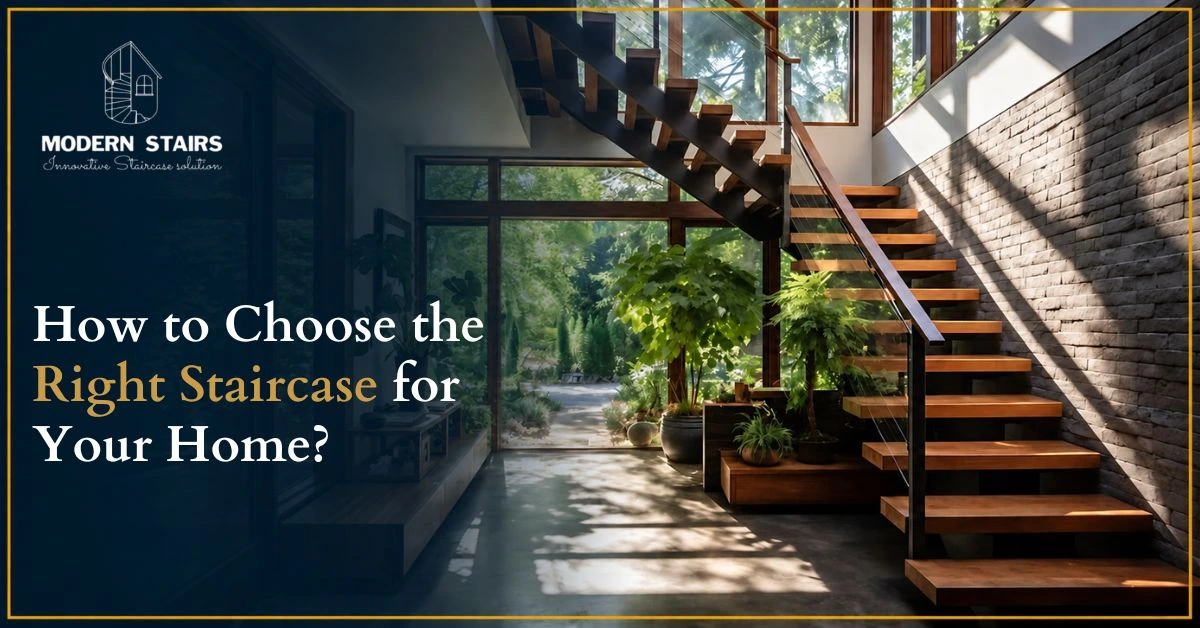
Choosing a staircase is an important part of planning a home because it affects movement,…
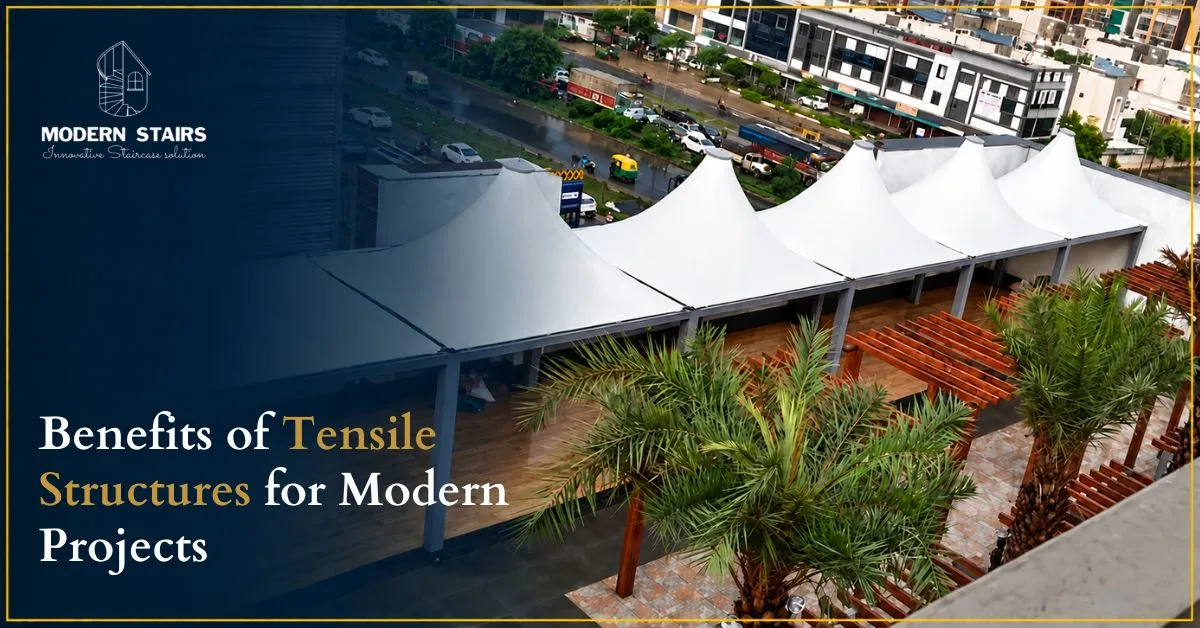
Modern construction increasingly requires structures that combine functionality, durability, efficient space usage, and architectural appeal. One of the biggest advantages of Tensile Structures is their ability to provide lightweight yet practical solutions for different residential, commercial, hospitality, and public projects. Their adaptable forms and contemporary appearance make them suitable for applications ranging from canopies and walkways to outdoor gathering spaces.
Table of Contents
Lightweight Construction with Structural Efficiency
One of the key benefits of Tensile Structures is their impressive strength-to-weight ratio. Unlike conventional heavy roofing systems, tensile solutions use lightweight membrane materials Membrane structure
supported by carefully designed steel or aluminium frameworks. This approach can reduce structural load while creating visually open spaces. Explore architectural structure solutions for projects requiring efficient and contemporary construction.
Flexible Designs for Different Applications
Modern Tensile Architecture allows designers to develop curved, flowing, geometric, and customized forms according to the project’s requirements. This flexibility makes tensile systems suitable for spaces where conventional structures may limit design possibilities. Custom layouts can also be developed around the building’s proportions, available area, circulation, and intended use.
Common applications include:
- Staircase canopies
- Garden and terrace gazebos
- Car parking shades
- Walkways and entrance covers
- Poolside structures
- Cafés and outdoor seating areas
- Commercial and institutional spaces
Weather Protection for Outdoor Spaces
Designed for outdoor environments, weather-resistant tensile structures can provide protection from sunlight and rain while maintaining an open and comfortable atmosphere. Depending on the selected membrane and structural system, tensile solutions can be developed for different climatic requirements. Proper planning and material selection are essential for achieving dependable outdoor structure performance.
Planning a tensile structure for your project? Contact Us for custom design, fabrication, and installation solutions.
Faster Installation and Efficient Construction
Another benefit of tensile structure fabrication is the potential for efficient installation compared with some conventional construction methods. Lightweight components and prefabricated elements can simplify transportation, assembly, and site work when the structure is properly engineered. This can be particularly useful for projects where construction time and site disruption need to be carefully managed.
Modern Architectural Appeal
The distinctive forms created through Tensile Architecture can become an important visual element within a project. Membrane structures can complement contemporary buildings through clean lines, flowing forms, and open frameworks while providing practical coverage. This combination of appearance and functionality makes tensile solutions suitable for hospitality, commercial, residential, and public environments.
Customization for Project Requirements
Every project has different spatial and functional requirements, which is why custom tensile structures can be developed with different dimensions, framework configurations, membrane materials, colours, and finishes. PVC, PTFE, and ETFE are among the membrane options used for different applications, while steel and aluminium can form the supporting framework. Professional custom fabrication services help coordinate these elements according to project requirements.
Durable and Low-Maintenance Solutions
When appropriate materials, protective treatments, and structural detailing are selected, durable tensile structures can provide long-term outdoor performance with manageable maintenance requirements. Routine cleaning, periodic inspections, and timely attention to fittings or membrane-related issues can help preserve the structure. Maintenance requirements will vary according to the membrane, location, exposure, and design.
Frequently Asked Questions
What are the main benefits of tensile structures?
The main benefits include lightweight construction, design flexibility, weather protection, efficient installation, architectural appeal, and customization for different applications.
Where can tensile structures be used?
Tensile Structures can be used for terraces, gazebos, stairway canopies, parking shades, walkways, patios, poolside areas, cafés, hotels, malls, schools, and other outdoor spaces.
Are tensile structures suitable for modern architecture?
Yes. Tensile Architecture supports contemporary designs through lightweight frameworks, flowing forms, open spaces, and flexible membrane systems that can complement modern buildings.
Which materials are used for tensile structures?
Supporting frameworks commonly use steel or aluminium, while membrane options can include PVC, PTFE, and ETFE depending on the project’s design and performance requirements.
Are tensile structures easy to maintain?
Maintenance requirements are generally manageable when suitable materials and finishes are selected. Regular cleaning, inspections, and timely repairs can help maintain long-term performance.
Conclusion
Modern projects require structures that can deliver practical performance without compromising architectural character. Tensile Structures provide a versatile approach through lightweight frameworks, flexible designs, weather protection, and customized applications. With appropriate engineering, material selection, fabrication, and installation, they can create functional outdoor spaces while contributing to the visual identity of contemporary architecture.
Related Posts