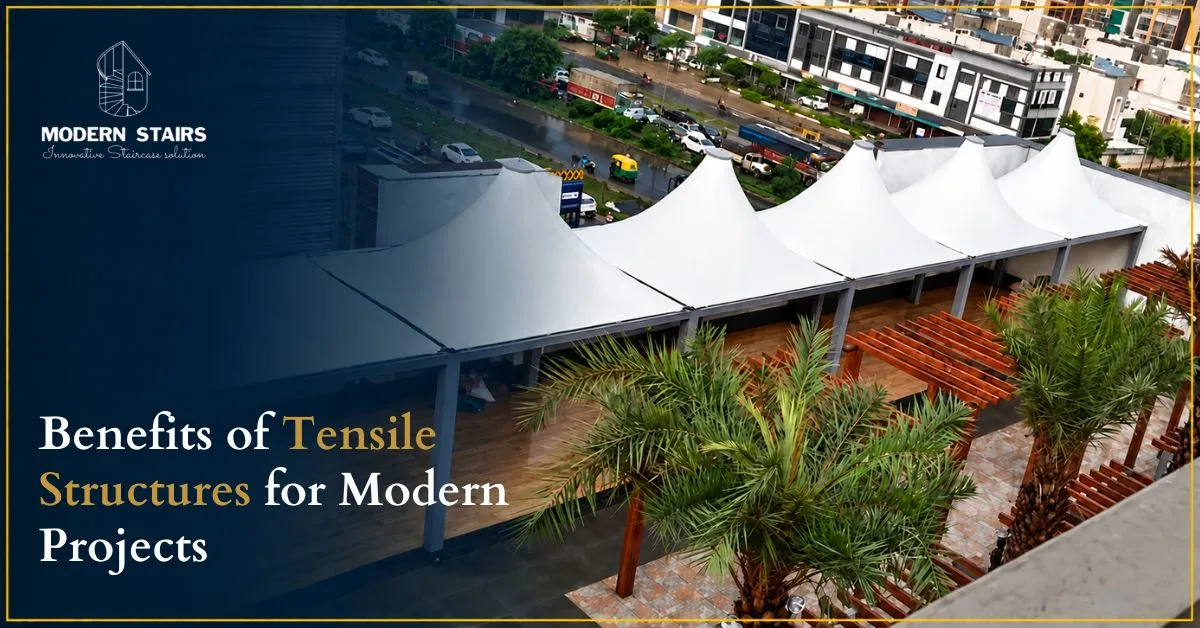
Modern construction increasingly requires structures that combine functionality, durability, efficient space usage, and architectural appeal.…
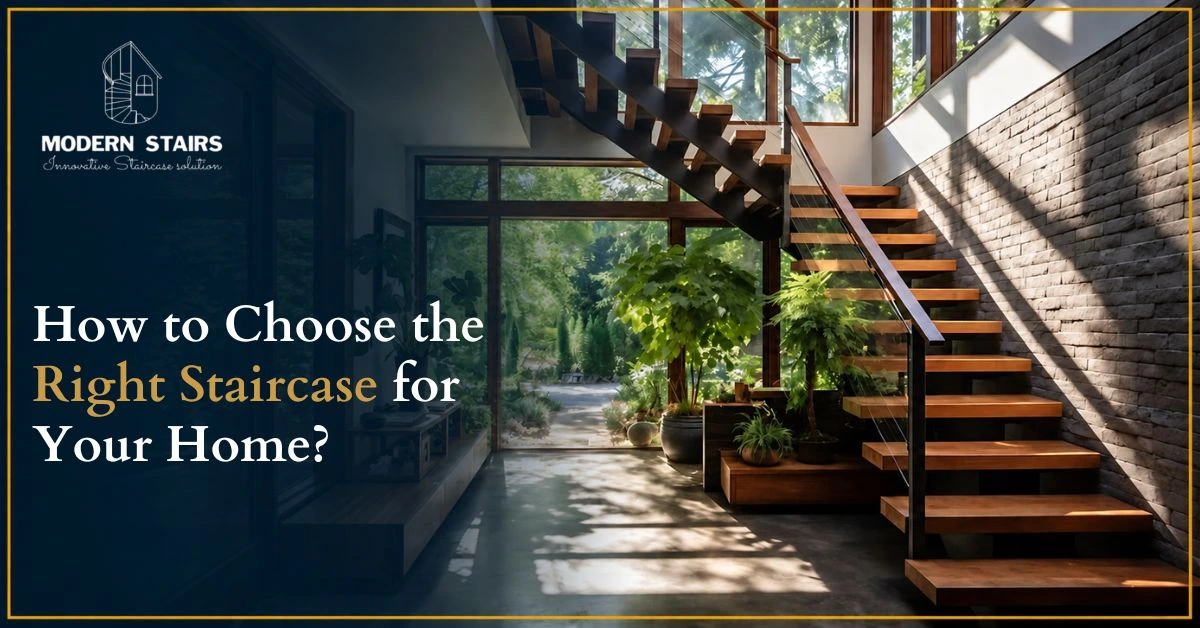
Choosing a staircase is an important part of planning a home because it affects movement, space, safety, and interior aesthetics. A well-planned staircase design for home should work comfortably with the floor plan while complementing the architectural style. Factors such as available space, materials, configuration, maintenance, and budget should be considered before finalizing the design.
Table of Contents
Assess the Available Space
The first step is to understand how much room is available for the staircase. A Modern Staircase can be designed for open interiors, while compact layouts may benefit from space-efficient configurations. Floor-to-floor height, staircase width, landing requirements, and circulation around the stairs should all be evaluated before fabrication begins.
Select a Suitable Staircase Configuration
Different staircase layouts solve different spatial and visual requirements. A Spiral Staircase can work well where floor space is limited, while a straight staircase may suit homes with sufficient linear room. L-shaped, U-shaped, curved, helical, and other configurations can also be considered depending on the property’s layout and design objectives.
Consider Your Interior Style
The staircase is often a prominent architectural feature, particularly in contemporary homes. A Designer Staircase can introduce distinctive shapes, materials, and finishes that complement the surrounding interiors. Minimalist spaces may benefit from clean lines and open visual forms, while warmer interiors can incorporate wood, detailed railings, or mixed-material designs.
Choose the Right Material
Material selection influences appearance, durability, maintenance, and overall character. A Metal Staircase can provide a strong contemporary appearance, while wood can introduce warmth and texture. Glass can create a lighter visual effect, and combinations such as metal and glass can work well in modern interiors.
Consider these factors when choosing materials:
- Durability and expected lifespan
- Maintenance requirements
- Surface finish and appearance
- Compatibility with the interior
- Budget and installation requirements
Prioritize Safety and Comfort
A staircase should be comfortable and safe for everyday use. When planning a Customized Staircase, details such as tread depth, riser height, handrail placement, surface grip, lighting, and structural support should be considered carefully. Proper planning helps create a staircase that is practical as well as visually appealing.
Explore Space-Saving Options
Homes with limited floor area often require a more efficient approach to staircase planning. A Spiral Staircase can reduce the footprint, while other compact layouts may be suitable depending on the available space. The right solution should balance space efficiency with comfortable movement and easy access between floors.
Consider Open and Contemporary Designs
Open interiors can benefit from staircase designs that maintain a sense of visual spaciousness. A Floating Staircase can create a lighter appearance by reducing the visual weight of the stair structure. Cantilever designs can also create a distinctive architectural effect when supported by appropriate structural planning.
Planning a staircase for your home? Contact Us for custom design, fabrication, and installation solutions.
Think About Maintenance and Longevity
A staircase should continue to perform well after installation, so maintenance requirements are worth considering from the beginning. Staircase Fabrication should account for suitable materials, protective finishes, secure connections, and the intended indoor environment. Regular cleaning and timely attention to damaged finishes can also support long-term appearance and performance.
Customization for Your Home
Every home has different dimensions, layouts, and design requirements. A Customized Staircase can be developed around the available space, preferred materials, railing style, finishes, and architectural concept. This flexibility is particularly useful when a standard staircase does not provide the desired fit or appearance.
What Should You Consider Before Choosing?
Before finalizing your staircase, evaluate:
- Available space and floor opening
- Staircase configuration
- Interior design style
- Material and finish
- Safety and comfort
- Maintenance requirements
- Budget and installation process
- Long-term usability
A professional staircase manufacturer can help coordinate these factors from design through installation.
Frequently Asked Questions
Which staircase is suitable for a small home?
A space-saving staircase such as a spiral design can be considered for compact areas, depending on the available dimensions and circulation requirements.
Which staircase material is best for a home?
There is no single material suitable for every home. Metal, wood, glass, and combinations can be selected based on durability, appearance, maintenance, and interior design.
Are floating staircases safe for residential use?
Yes. A properly engineered Floating Staircase can be suitable for homes when structural support, handrails, tread dimensions, and other safety requirements are properly addressed.
Should I choose a straight or curved staircase?
The choice depends on the available space, circulation, architectural style, and visual preference. Straight layouts generally require suitable linear space, while curved designs can create a more distinctive architectural feature.
Can a staircase be customized for an existing house?
Yes. A Custom Staircase can be designed around existing dimensions, floor openings, interior aesthetics, material preferences, and functional requirements.
Conclusion
Choosing the right staircase requires more than selecting a style you like. Space, configuration, materials, safety, maintenance, and architectural compatibility all influence the final result. With professional staircase design for home, homeowners can create a staircase that supports comfortable movement while becoming an integrated part of the home’s interior design.
Related Posts