
Choosing a staircase is an important part of planning a home because it affects movement,…
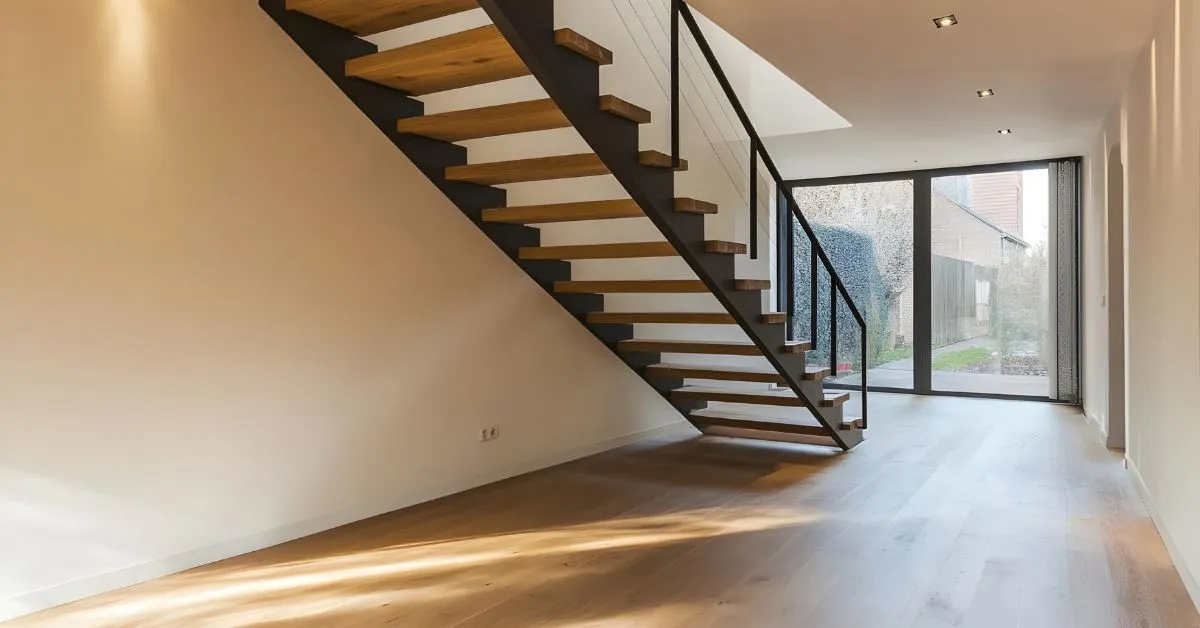
Designing an indoor staircase is not just about connecting two floors—it is about creating a structure that is safe, space-efficient, and visually appealing. In modern architecture, indoor metal staircases are widely used because they offer strength, flexibility in design, and a modern aesthetic that suits both residential and commercial interiors. Whether you are designing a new home, renovating a duplex, or planning an office interior, understanding indoor metal staircase design is essential before fabrication and installation.
Table of Contents
This indoor metal staircase design guide explains everything you need to know, including layout planning, staircase styles, materials, safety considerations, and maintenance tips.
Planning an Indoor Metal Staircase
Before selecting a staircase design, proper planning is necessary. Staircases must be designed according to floor height, available space, and building layout. Poor planning can result in uncomfortable steps, unsafe structures, or wasted space.
Important Planning Factors:
- Floor-to-floor height
- Staircase width
- Headroom clearance
- Step rise and tread depth
- Landing space
- Handrail height
- Structural support
- Available floor space
A well-planned staircase ensures comfort, safety, and efficient space utilization.
Types of Indoor Metal Staircase Designs
There are several types of indoor metal staircase designs, and the right one depends on space, budget, and interior style.
Straight Metal Staircase
This is the simplest staircase design with a straight flight of steps. It is easy to construct and suitable for simple layouts.
L-Shaped Metal Staircase
This staircase includes a 90-degree turn and is commonly used in residential homes where space planning is important.
U-Shaped Metal Staircase
This staircase includes two turns and is suitable for larger spaces and commercial buildings.
Spiral Metal Staircase
Spiral staircases rotate around a central column and are ideal for compact spaces like duplex homes and apartments.
Floating Metal Staircase
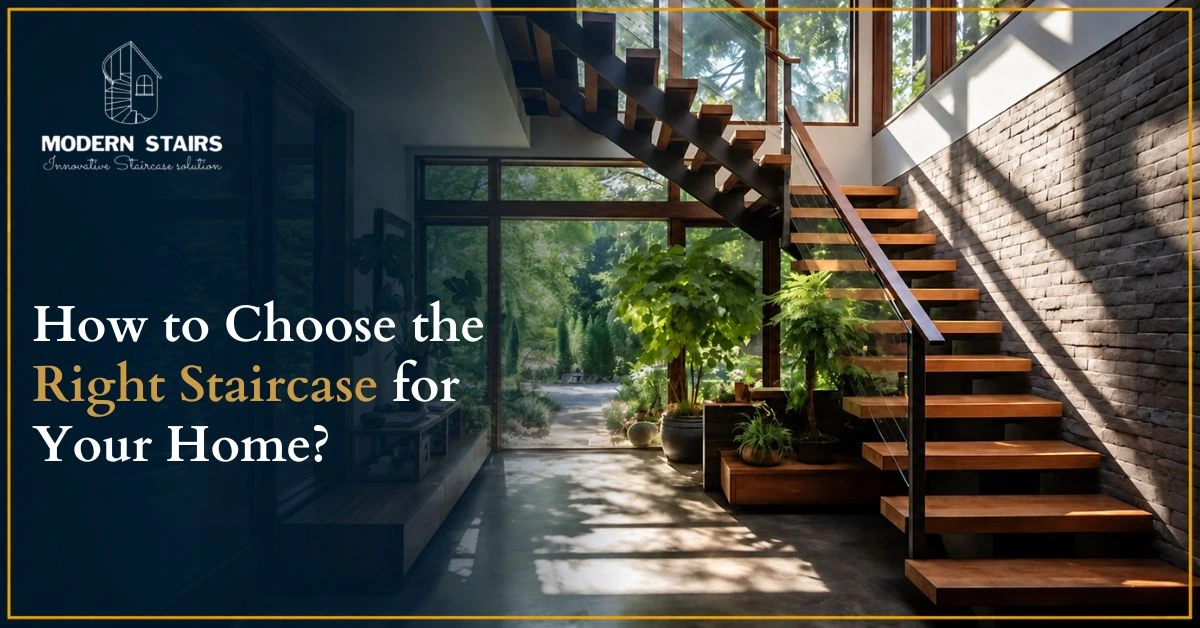
Floating staircases are supported by hidden structures, giving a floating appearance and a modern architectural look.
Single Stringer Staircase
This staircase is supported by a single central beam, creating a clean and minimalist design.
Materials Used in Indoor Metal Staircases
Material selection affects durability, appearance, cost, and maintenance. Indoor metal staircases are often built using a combination of materials.
Common Materials:
| Material | Benefits | Best Use |
| Steel | Strong and durable | Residential & Commercial |
| Stainless Steel | Corrosion resistant | Modern interiors |
| Aluminum | Lightweight | Minimalist designs |
| Wood + Metal | Warm modern look | Homes |
| Glass + Metal | Luxury modern look | Villas, offices |
Combining metal with wood or glass is very popular in modern interior staircase design.
Indoor Metal Staircase Design Tips
A staircase should match the interior design theme and improve space aesthetics.
Design Tips:
- Use glass railings to make the space look bigger
- Add LED lighting under steps for modern design
- Choose powder-coated metal for durability
- Match staircase color with interior theme
- Use open riser stairs for modern interiors
- Utilize space under stairs for storage
These small design decisions can significantly improve interior appearance.
Safety Considerations for Indoor Staircases
Safety should always be the first priority when designing a staircase.
Important Safety Factors:
- Proper handrail height
- Anti-slip step surface
- Uniform step height
- Strong structural support
- Proper lighting on staircase
- Safe glass railing thickness
- Proper landing space
A staircase should be comfortable to use daily for children, adults, and elderly people.
Planning an indoor metal staircase for your project? Contact us today for custom staircase design, fabrication, and installation solutions.
Indoor Metal Staircase Cost Factors
The cost of an indoor metal staircase depends on several factors.
Major Cost Factors
- Staircase design type
- Material selection
- Staircase height and width
- Glass railing or wood steps
- Fabrication complexity
- Installation cost
General Cost Comparison
| Staircase Type | Cost Level |
| Straight Staircase | Low |
| L-Shaped Staircase | Medium |
| Spiral Staircase | Medium |
| Floating Staircase | High |
| Glass + Metal Staircase | High |
Custom designer staircases are more expensive but add more architectural value.
Maintenance of Indoor Metal Staircases
Indoor metal staircases require less maintenance compared to wooden staircases, but regular inspection is still important.
Maintenance Tips:
- Clean staircase regularly
- Inspect bolts and joints
- Check railing supports
- Touch up paint if scratched
- Clean glass panels properly
- Inspect structure once a year
With proper maintenance, metal staircases can last 30–40 years or more.
Common Mistakes to Avoid
Many staircase problems occur due to poor design or planning.
Avoid These Mistakes:
- Incorrect step height
- Poor lighting on stairs
- No anti-slip surface
- Weak railing support
- Wrong staircase type for space
- Ignoring building safety standards
Proper design and professional fabrication help avoid these problems.
Frequently Asked Questions
What is the best metal for an indoor staircase?
Steel is the most commonly used material for indoor metal staircases because of its strength, durability, and design flexibility. Stainless steel is also popular for modern interiors due to its corrosion resistance and clean finish.
Are indoor metal staircases safe for homes?
Yes, indoor metal staircases are safe when designed with proper step dimensions, handrails, anti-slip treads, and strong structural support. Safety also depends on professional fabrication and installation.
Which indoor staircase design is best for small spaces?
Spiral staircases, floating staircases, and single-stringer staircases are best for small spaces because they occupy less floor area and create an open interior look.
Can metal staircases be combined with wood or glass?
Yes, metal staircases are often combined with wooden steps and glass railings to create modern and luxury staircase designs while maintaining structural strength.
How much space is required for an indoor staircase?
The space required depends on staircase type, floor height, and design layout. Straight staircases require more length, while spiral or floating staircases require less floor space.
Conclusion
An indoor metal staircase is an important architectural element that combines safety, durability, and modern design. With various staircase styles such as floating stairs, spiral staircases, glass and metal combinations, and single stringer designs, indoor staircases can be customized according to space and interior theme.
Proper planning, correct material selection, safe design, and professional installation are essential for building a staircase that is strong, comfortable, and visually appealing. Investing in a well-designed indoor metal staircase not only improves functionality but also enhances the overall interior architecture of the space.
Related Posts