
Choosing a staircase is an important part of planning a home because it affects movement,…
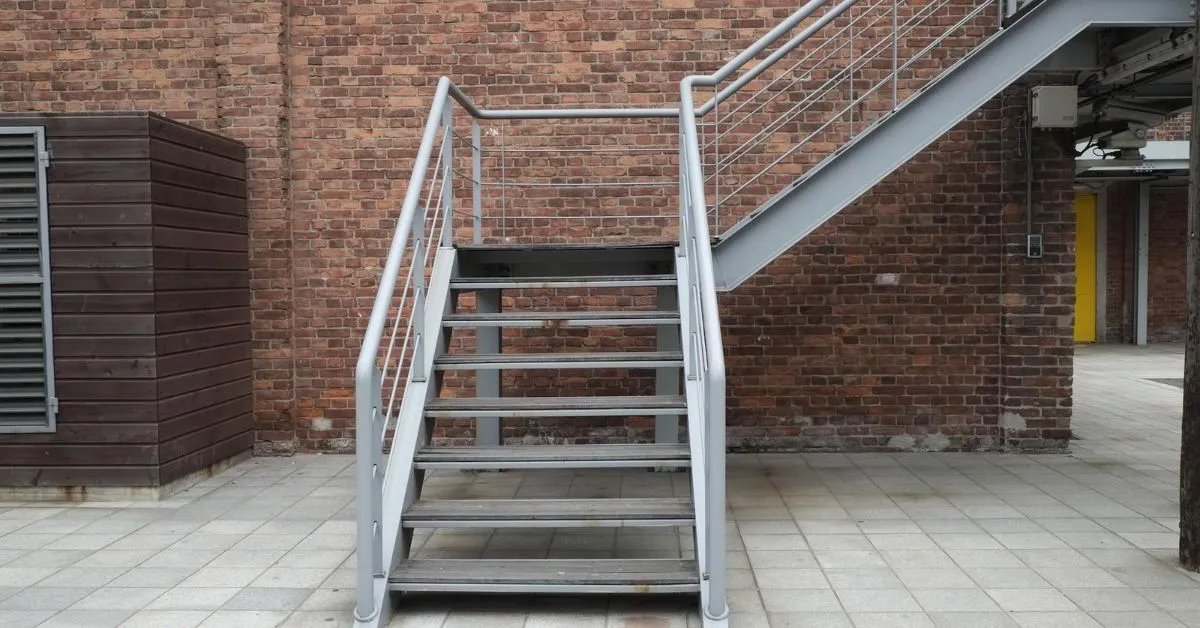
Workplace safety is a top priority in the United States, especially in industries like manufacturing, construction, warehouses, and commercial facilities. One critical yet often overlooked element of safety infrastructure is OSHA compliant metal stairs. Choosing the right OSHA compliant metal stairs supplier in USA ensures that your staircase systems meet safety regulations while delivering durability and long-term performance.
Table of Contents
In this guide, we’ll explain OSHA standards, benefits of compliant metal stairs, design considerations, and how to select the right supplier for your project.
What Is OSHA Compliant Metal Stairs?
OSHA compliant metal stairs are stair systems designed and manufactured according to the safety regulations set by the Occupational Safety and Health Administration (OSHA). These standards ensure that staircases used in workplaces are safe, stable, and accessible.
OSHA guidelines typically cover:
- Stair width and angle
- Riser height and tread depth
- Handrail height and strength
- Load-bearing capacity
- Slip resistance
These standards are especially important in industrial, commercial, and high-traffic environments.
Why OSHA Compliance Matters for Metal Stairs?
Ignoring OSHA standards can lead to safety hazards, legal penalties, and operational risks.
- Worker Safety: Properly designed metal stairs reduce the risk of slips, trips, and falls.
- Legal Compliance: Non-compliant structures can result in fines, penalties, or shutdowns.
- Improved Productivity: Safe working environments reduce accidents and downtime.
- Insurance Benefits: OSHA-compliant infrastructure can help reduce insurance liabilities.
Key OSHA Requirements for Metal Stairs
Understanding OSHA requirements helps ensure your staircase meets compliance standards.
- Stair Width: Minimum width is generally 22 inches (56 cm) for standard industrial stairs.
- Riser Height: Should be uniform, typically between 6 to 7.5 inches.
- Tread Depth: Minimum tread depth should be around 10 inches for safe footing.
- Stair Angle: Angle should be between 30° to 50° depending on application.
- Handrails: Required on at least one side And Height typically between 34–38 inches
- Load Capacity: Stairs must support at least five times the expected load.
Types of OSHA Compliant Metal Stairs
Different industries require different types of metal stairs.
Industrial Metal Stairs
- Heavy-duty construction
- Used in factories and plants
- Designed for high load capacity
Commercial Metal Stairs
- Used in offices, malls, and buildings
- Focus on safety + aesthetics
Outdoor Metal Stairs
- Weather-resistant materials
- Used in warehouses and external access
Emergency Exit Stairs
- Designed for quick evacuation
- Must meet strict OSHA safety standards
Materials Used in OSHA Compliant Metal Stairs
Carbon Steel
- Strong and durable
- Cost-effective
Stainless Steel
- Corrosion-resistant
- Suitable for harsh environments
Aluminum
- Lightweight
- Rust-resistant
- Ideal for outdoor use
Galvanized Steel
- Coated for corrosion protection
- Long lifespan in outdoor conditions
Looking for OSHA compliant metal stairs for your facility? Contact us today for expert guidance, custom designs, and professional installation solutions.
Benefits of OSHA Compliant Metal Stairs
- Enhanced Safety: Designed to minimize workplace accidents.
- Long-Term Durability: Metal stairs can last for decades with minimal maintenance.
- Low Maintenance: Resistant to pests, moisture, and environmental damage.
- Custom Fabrication: Can be tailored for specific industrial or commercial needs.
- Compliance Assurance: Meets government safety regulations and standards.
How to Choose the Right OSHA Compliant Metal Stairs Supplier in USA
Selecting a reliable supplier ensures your staircase meets all safety and design requirements.
- Industry Experience: Choose a supplier with experience in OSHA-compliant projects.
- Compliance Knowledge: Ensure the supplier understands OSHA regulations thoroughly.
- Custom Fabrication: Look for suppliers offering tailored solutions.
- Material Quality: Use high-grade materials for durability and safety.
- Installation Support: Professional installation ensures proper alignment and safety compliance.
OSHA Metal Stairs Cost in the USA
The cost of OSHA compliant metal stairs in USA depends on:
- Size and height
- Material used
- Design complexity
- Load requirements
- Installation
Estimated Cost Range:
- Standard Industrial Stairs: $3,000 – $10,000
- Custom OSHA Stairs: $10,000 – $25,000+
(Costs vary based on project requirements)
Maintenance Tips for OSHA Metal Stairs
- Regular Inspection: Check for loose bolts, cracks, or wear.
- Clean Surfaces: Remove dirt, oil, or debris to prevent slipping.
- Anti-Slip Treatment: Ensure surfaces remain slip resistant.
- Corrosion Protection: Apply coatings to prevent rust in outdoor environments.
Common Mistakes to Avoid
- Ignoring OSHA standards
- Choosing low-quality materials
- Poor installation practices
- Lack of regular maintenance
- Hiring inexperienced suppliers
Avoiding these mistakes ensures safety and long-term performance.
Real-World Applications
OSHA compliant metal stairs are widely used in:
- Manufacturing plants
- Warehouses
- Oil & gas facilities
- Commercial buildings
- Industrial complexes
For example, many warehouses in the USA install galvanized steel stairs with anti-slip treads to ensure worker safety in high-traffic environments.
Frequently Asked Questions
What does OSHA compliance mean for stairs?
It means the staircase meets safety standards set by OSHA for workplace use.
Are OSHA compliant metal stairs mandatory?
Yes, for industrial and commercial workplaces in the USA.
Can OSHA stairs be customized?
Yes, they can be designed based on site requirements and safety needs.
How long do OSHA metal stairs last?
With proper maintenance, they can last 20–40 years.
Conclusion
Choosing the right OSHA compliant metal stairs supplier in USA is essential for ensuring workplace safety, regulatory compliance, and long-term durability. These stair systems are not just structural elements—they are critical safety features that protect workers and improve operational efficiency.
By investing in high-quality materials, proper design, and professional installation, you can ensure your staircase meets OSHA standards while delivering reliable performance for years.
Related Posts