
Choosing a staircase is an important part of planning a home because it affects movement,…
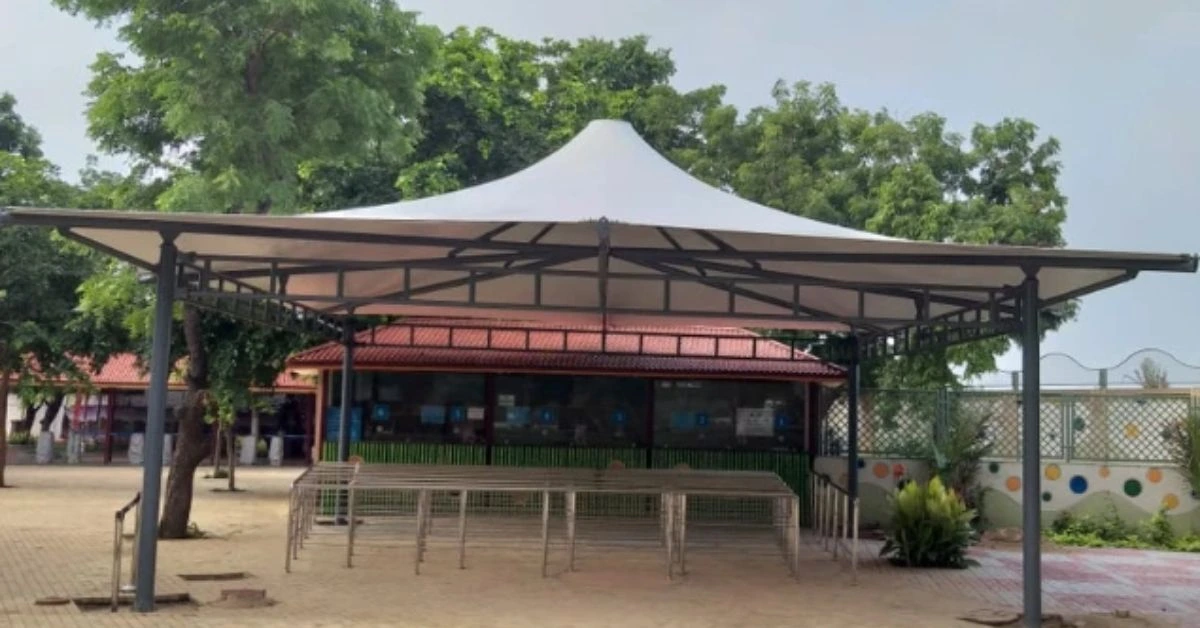
Modern architecture is no longer limited to rigid designs and heavy construction materials. With the increasing demand for innovative, efficient, and visually appealing spaces, architects are exploring solutions that offer both flexibility and structural strength. Traditional construction methods, while reliable, often restrict design possibilities and require higher material usage, leading to increased costs and longer construction timelines.
Table of Contents
This shift has led to the widespread adoption of Tensile Structures, which represent a modern approach to construction. These structures use tensioned membranes and advanced materials to create lightweight yet durable forms capable of covering large areas without excessive support systems. Their ability to combine aesthetics with engineering efficiency makes them a preferred choice for commercial, industrial, and public infrastructure projects.
What Are Tensile Structures?
Tensile structures are architectural systems that maintain their stability through tension rather than compression. They typically consist of a flexible fabric membrane supported by cables, poles, or rigid frames that keep the material under continuous tension. This method of construction allows the structure to efficiently distribute loads and maintain its shape under varying conditions.
In Tensile Structures, the load is spread evenly across the membrane, reducing stress concentration and enhancing durability. This efficient load distribution allows the use of less material while still achieving high strength. Additionally, these structures are highly adaptable and can be designed in various shapes and sizes, making them suitable for a wide range of applications.
Cone-Shaped Tensile Structures
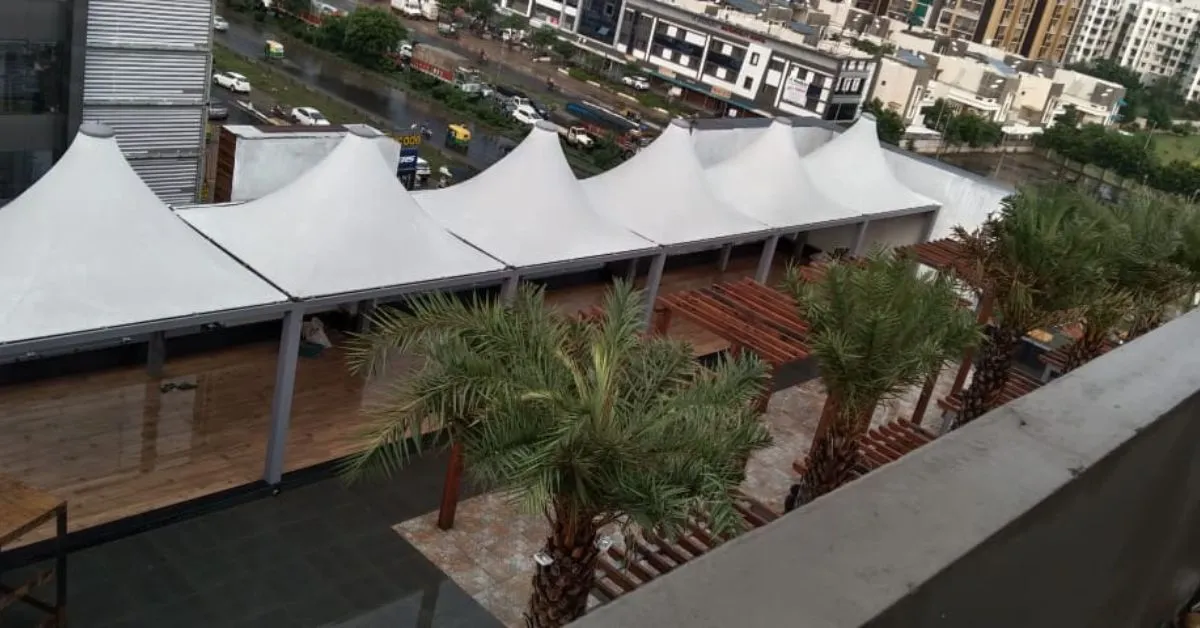
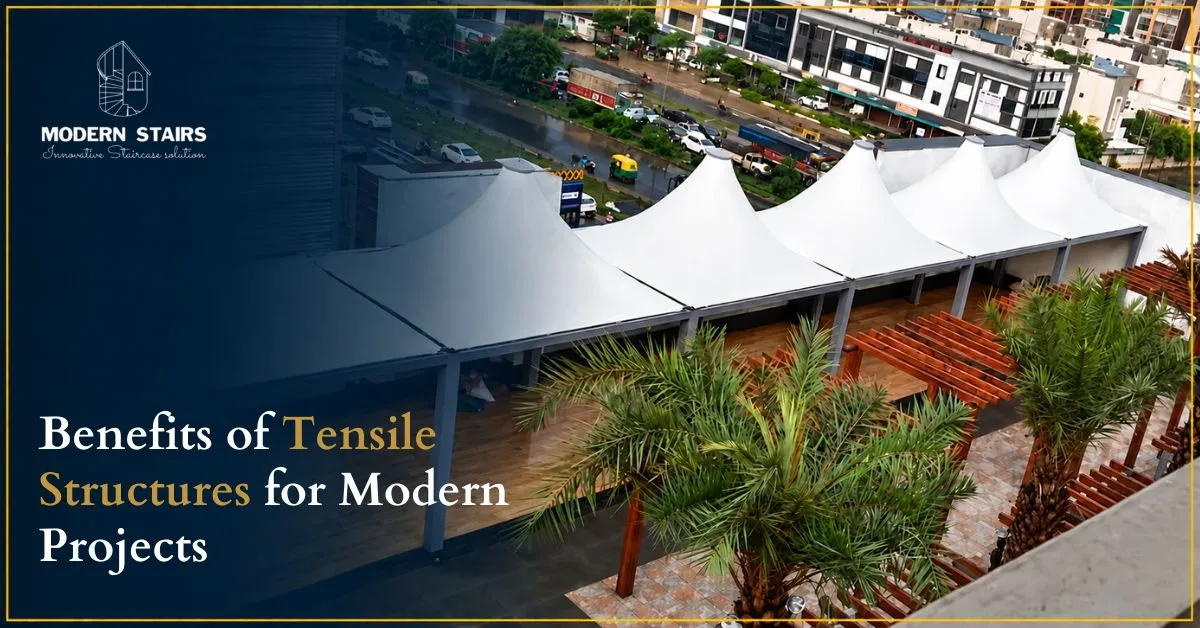
Cone-shaped tensile structures are among the most recognizable and widely used designs. They feature a central support point with the fabric membrane stretched outward and downward, forming a cone-like shape. This design not only provides structural stability but also creates a visually appealing architectural element.
In Tensile Structures, cone-shaped designs are particularly effective in handling environmental conditions such as rain and wind. The sloped surface allows efficient water drainage, preventing accumulation and potential damage. These structures are commonly used in entrances, plazas, and decorative installations where both functionality and aesthetics are important.
Key features include:
- Central mast or support system
- Excellent water drainage capability
- Strong resistance to wind forces
- High visual impact
- Suitable for open and public spaces
Saddle-Shaped Tensile Structures
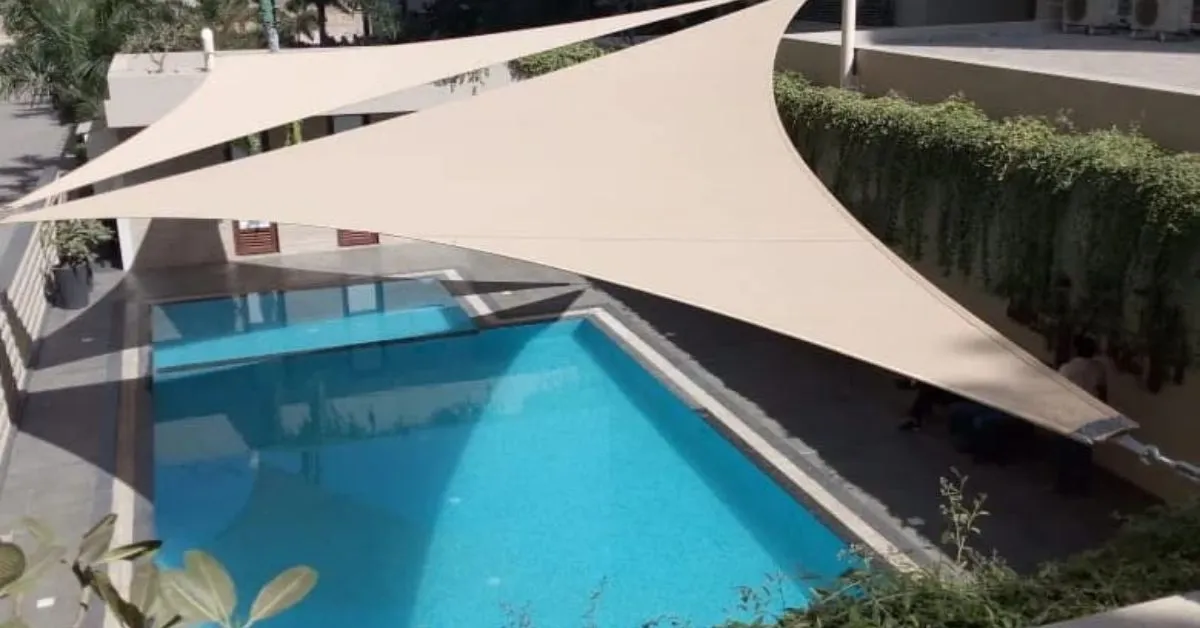
Saddle-shaped tensile structures are characterized by their double-curved surface, creating a wave-like or hyperbolic form. This geometry allows the structure to distribute tension evenly, resulting in high stability and strength.
These Tensile Structures are ideal for covering large areas such as stadiums, exhibition spaces, and public walkways. Their unique shape not only enhances structural performance but also adds a dynamic and modern aesthetic to the design. The double curvature helps in resisting wind uplift and maintaining structural integrity.
Key features include:
- Double curvature for enhanced strength
- Uniform tension distribution
- Ideal for large-span structures
- Modern and dynamic design
- High resistance to environmental forces
Arch-Supported Tensile Structures
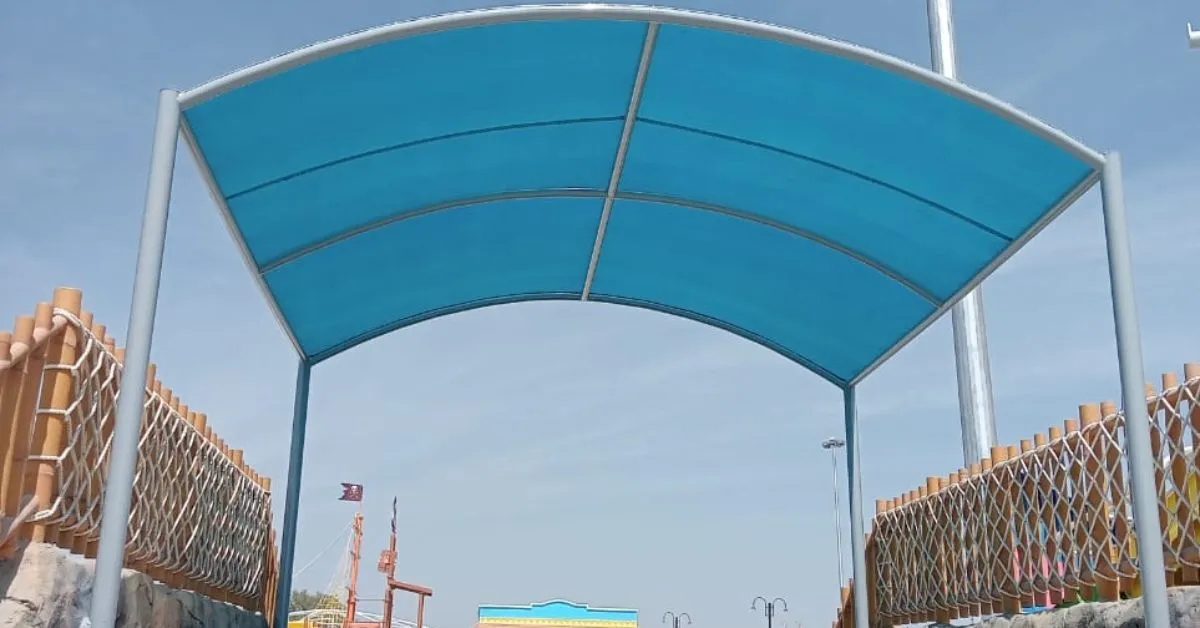
Arch-supported tensile structures combine traditional arch engineering with modern tensile materials. The arch acts as the primary support system, while the fabric membrane provides coverage.
In Tensile Structures, this type offers a balance between structural strength and design flexibility. The arch distributes loads efficiently, making it suitable for walkways, entrances, and roofing systems. These structures are often used in projects that require both durability and an elegant appearance.
Key features include:
- Strong arch-based framework
- Efficient load transfer
- Elegant and clean design
- Suitable for medium to large spans
- Long-lasting performance
Frame-Supported Tensile Structures
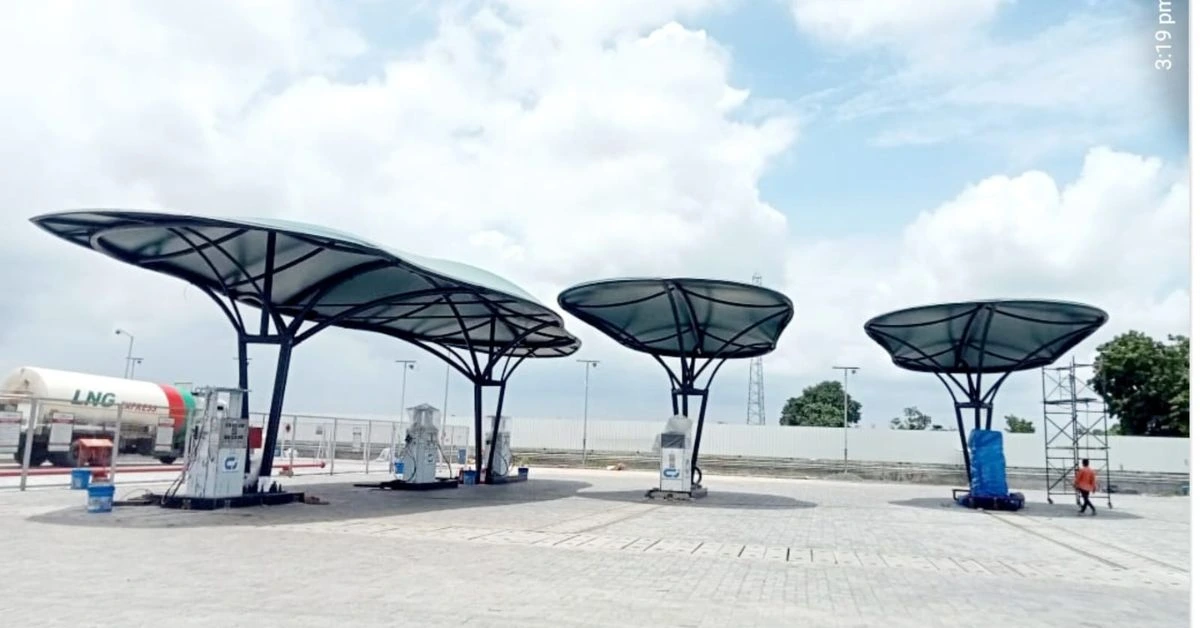
Frame-supported tensile structures use rigid frames made of steel or aluminum to support the fabric membrane. This design provides additional strength and stability, making it suitable for heavy-duty applications.
These Tensile Structures are commonly used in industrial and commercial projects where reliability and durability are critical. The rigid framework ensures consistent performance even under demanding conditions, while the fabric membrane provides flexibility and aesthetic appeal.
Key features include:
- Strong and stable framework
- Suitable for industrial applications
- High durability and reliability
- Easy maintenance
- Versatile design options
Looking for innovative and durable tensile structure solutions? Contact us today to explore customized Tensile Structures designs for your project.
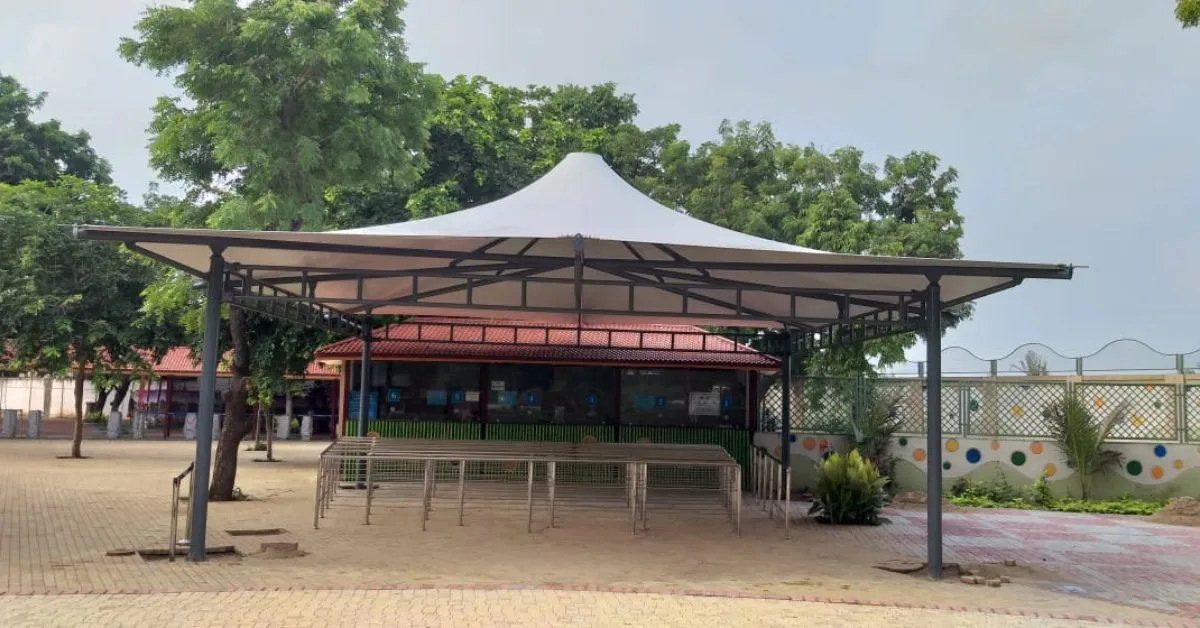
Cable-supported tensile structures rely on a network of tensioned cables to support the fabric membrane. This design minimizes the need for rigid supports, allowing for large open spaces and unobstructed views.
In modern Tensile Structures, cable systems are widely used in stadiums, airports, and exhibition centers. They provide maximum flexibility and allow architects to create innovative and visually striking designs.
Key features include:
- Minimal structural support required
- Lightweight and flexible design
- Ideal for large open areas
- High aesthetic value
- Efficient use of materials
Cable-Supported Tensile Structures
Installation Process of Tensile Structures
The installation of tensile structures involves a series of carefully planned steps to ensure proper alignment and tensioning. Unlike traditional construction, the process is faster but requires precision and expertise.
A properly installed Tensile Structures system ensures long-term performance and safety. Each stage, from design to final inspection, plays a critical role in achieving structural stability.
Key steps include:
- Site analysis and measurement
- Structural design and engineering
- Fabrication of components
- Installation of supports and anchors
- Tensioning of membrane
- Final inspection and testing
Cost Factors of Tensile Structures
The cost of tensile structures depends on several factors, including design complexity, materials, and installation requirements. While they are generally more cost-effective than traditional construction, proper planning is essential to optimize costs.
Investing in Tensile Structures provides long-term value due to their durability and low maintenance. Selecting the right materials and design can significantly impact overall project costs.
Key cost factors include:
- Size and design complexity
- Type of fabric material
- Structural support system
- Installation and labor costs
- Location and environmental conditions
- Customization requirements
Comparison of Different Types of Tensile Structures
Understanding the differences between various types helps in selecting the most suitable structure for specific applications.
| Type | Best Use Case | Strength | Flexibility | Aesthetic Value |
| Cone-Shaped | Entrances, plazas | High | Medium | High |
| Saddle-Shaped | Stadiums, large areas | Very High | High | Very High |
| Arch-Supported | Walkways, roofing | High | Medium | High |
| Frame-Supported | Industrial/commercial use | Very High | Low | Medium |
| Cable-Supported | Open spaces, exhibitions | High | Very High | Very High |
Applications of Tensile Structures
Tensile structures are widely used across industries due to their versatility and efficiency. They are suitable for both temporary and permanent installations.
In modern construction, Tensile Structures are used to enhance both functionality and aesthetics in various applications.
Common applications include:
- Car parking sheds
- Walkways and canopies
- Stadiums and sports complexes
- Commercial buildings
- Outdoor seating areas
Future Trends in Tensile Structures
The future of tensile structures is driven by innovation in materials and design technologies. As sustainability becomes a priority, these structures are evolving to meet environmental and energy efficiency requirements.
With advancements in Tensile Structures, new possibilities are emerging in architecture and engineering. Future trends will focus on smart materials, energy integration, and advanced design tools.
Emerging trends include:
- Integration with solar panels
- Use of smart and adaptive materials
- Digital design and simulation tools
- Sustainable construction practices
- Increased use in urban infrastructure
Frequently Asked Questions
What are the different types of tensile structures used in construction?
Cone-shaped, saddle-shaped, arch-supported, frame-supported, and cable-supported structures are the most commonly used types in modern projects.
Which tensile structure type is best for large open spaces?
Saddle-shaped and cable-supported structures are ideal as they provide wide coverage with minimal supports and high flexibility.
Are tensile structures suitable for long-term use?
Yes, they are made from durable materials designed to withstand environmental conditions and provide long-lasting performance.
What factors affect the cost of tensile structures?
Factors such as design complexity, material type, installation, and location influence the overall cost.
Can tensile structures be customized for different applications?
Yes, they can be designed in various shapes, sizes, and materials to meet specific project requirements.
What are the main benefits of tensile structures?
They offer lightweight construction, design flexibility, cost efficiency, and modern aesthetics for various applications.
Conclusion
Tensile structures have transformed the way modern architecture approaches design and construction. Their ability to combine lightweight materials with high strength and flexibility makes them an ideal solution for a wide range of applications. From commercial spaces to public infrastructure, these structures offer unmatched efficiency and aesthetic appeal.
By choosing Tensile Structures, businesses and homeowners can achieve cost-effective and durable solutions that meet modern design requirements. Their versatility, ease of installation, and low maintenance make them a valuable investment. As technology continues to advance, tensile structures will play a crucial role in shaping the future of innovative and sustainable architecture.
Related Posts