
Choosing a staircase is an important part of planning a home because it affects movement,…
Modern architecture is shifting toward solutions that combine design flexibility, structural efficiency, and cost-effectiveness. Traditional construction methods often involve heavy materials and rigid frameworks, which can limit creativity and increase overall project costs. As a result, architects and developers are increasingly adopting innovative structural systems that offer both performance and visual appeal.
Table of Contents
One such advanced solution is Tensile Structures, which use tensioned membranes and lightweight materials to create strong and aesthetically pleasing forms. These structures allow large open spaces without the need for multiple support columns, making them ideal for commercial, residential, and public applications. Their ability to balance functionality with modern design makes them a preferred choice in today’s construction industry.
What Are Tensile Structures?
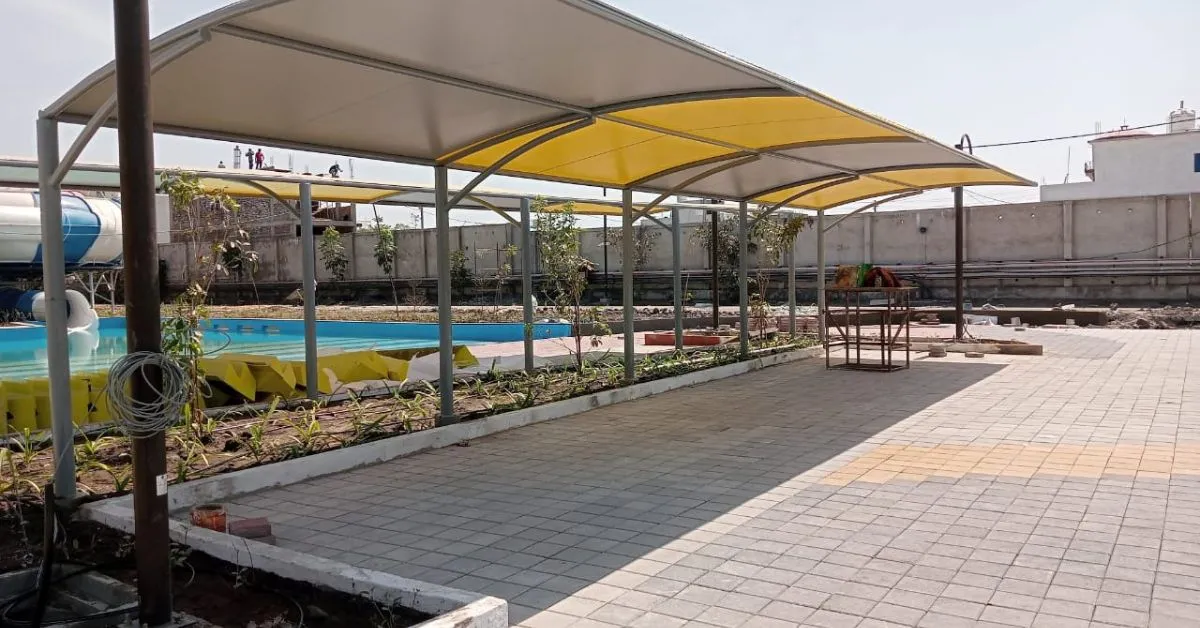
Tensile structures are architectural systems that rely on tension rather than compression to maintain their stability and shape. These structures are typically made using high-strength fabric materials supported by cables, poles, or frames that keep the membrane under constant tension.
Unlike traditional structures, Tensile Structures distribute loads evenly across the surface, reducing stress on individual components. This allows them to achieve high strength while using minimal material, making them both efficient and cost-effective. Their lightweight nature also simplifies installation and reduces construction time.
How Tensile Structures Work?
The working principle of tensile structures is based on balancing forces through tension and support. The fabric membrane is stretched tightly and anchored to a structural framework, which ensures stability and durability.
In Tensile Structures, environmental forces such as wind, rain, and sunlight are evenly distributed across the surface. This prevents localized stress and increases the lifespan of the structure. The flexibility of the materials also allows the structure to adapt to changing conditions without losing its integrity.
Working mechanism includes:
- Tensioned fabric membrane
- Support through cables and frames
- Even load distribution
- Flexible yet stable design
- Resistance to environmental conditions
Installation Process of Tensile Structures
Installing tensile structures requires careful planning, precision engineering, and proper execution to ensure long-term performance and safety. Unlike traditional construction, the process is faster but highly dependent on accurate design and tensioning techniques.
A professionally installed Tensile Structures system ensures stability, durability, and optimal performance under different environmental conditions. Each step in the installation process must be executed with precision to maintain structural integrity.
Key installation steps include:
- Site inspection and measurement
- Structural design and planning
- Fabrication of components
- Installation of support structures
- Tensioning and fixing of fabric membrane
- Final inspection and testing
Proper installation not only improves performance but also enhances the lifespan of the structure, making it a reliable long-term solution.
Advantages of Tensile Structures
Tensile structures provide a wide range of benefits that make them highly suitable for modern construction projects. Their design flexibility and material efficiency offer both functional and economic advantages.
By using Tensile Structures, businesses and property owners can create visually appealing spaces while maintaining durability and performance. These structures are especially beneficial for large areas where traditional construction may not be practical.
Key advantages include:
- Lightweight design reduces structural load
- Cost-effective compared to conventional construction
- Flexible and customizable design options
- High resistance to weather conditions
- Quick installation and minimal disruption
- Low maintenance requirements
Cost Factors of Tensile Structures
The cost of tensile structures can vary depending on multiple factors such as design complexity, materials used, and project size. While they are generally more cost-effective than traditional construction, understanding cost components helps in better planning and budgeting.
Investing in Tensile Structures provides long-term value due to their durability and low maintenance requirements. However, businesses must evaluate all cost elements before making a decision.
Key cost factors include:
- Size and design complexity
- Type of fabric material used (PVC, PTFE, ETFE)
- Structural support system
- Installation and labor costs
- Location and environmental conditions
- Customization requirements
Proper planning and choosing the right materials can help optimize costs while maintaining quality and performance.
Looking for modern, durable, and stylish tensile structure solutions? Contact us today for customized designs that enhance your space and functionality.
Applications of Tensile Structures
Tensile structures are widely used across various industries due to their adaptability and modern design appeal. They are suitable for both temporary and permanent installations, making them versatile for different environments.
In today’s architecture, Tensile Structures are commonly used in commercial complexes, public spaces, and residential areas where open and attractive designs are required.
Common applications include:
- Car parking sheds and covers
- Walkways and entrance canopies
- Stadium roofs and event spaces
- Shopping malls and commercial areas
- Outdoor seating and recreational zones
Materials Used in Tensile Structures
The durability and performance of tensile structures depend heavily on the materials used. High-quality fabrics and support systems ensure long-lasting performance and resistance to environmental conditions.
Tensile Structures use advanced materials that combine strength, flexibility, and durability to meet modern construction requirements.
Common materials include:
- PVC-coated polyester for durability
- PTFE fabric for high performance
- ETFE sheets for lightweight transparency
- Steel cables for support
- Aluminum or steel frames for stability
Tensile Structures vs Traditional Structures
Understanding the differences between tensile structures and traditional construction methods helps in making informed decisions. Each system has its own advantages, but tensile structures offer unique benefits in terms of flexibility and efficiency.
A well-designed Tensile Structures system can outperform conventional structures in many aspects, especially in large open spaces and modern architectural designs.
| Feature | Tensile Structures | Traditional Structures |
| Weight | Lightweight | Heavy |
| Material Usage | Minimal | High |
| Design Flexibility | High | Limited |
| Installation Time | Fast | Longer |
| Cost Efficiency | More economical | Higher cost |
| Maintenance | Low | Moderate to high |
| Aesthetic Appeal | Modern and unique | Conventional |
Design Flexibility and Aesthetic Appeal
One of the most attractive aspects of tensile structures is their ability to create unique and modern designs. Unlike traditional construction, these structures allow architects to experiment with shapes and forms.
With Tensile Structures, designers can create visually striking spaces that enhance the overall appearance of a project. Their smooth and elegant finishes make them suitable for contemporary architectural designs.
Design benefits include:
- Unique and innovative shapes
- Smooth and elegant appearance
- Customizable designs
- Enhanced visual appeal
- Integration with modern architecture
Sustainability and Energy Efficiency
Sustainability is becoming increasingly important in construction, and tensile structures contribute significantly to eco-friendly building practices. Their lightweight design reduces material usage and energy consumption during construction.
By using Tensile Structures, projects can achieve better energy efficiency and environmental performance. These structures also allow natural light to pass through, reducing the need for artificial lighting.
Sustainability benefits include:
- Reduced material consumption
- Lower energy usage
- Natural lighting benefits
- Recyclable materials
- Environmentally friendly construction
Frequently Asked Questions
What makes tensile structures different from traditional structures?
They rely on tension rather than compression, allowing for lightweight designs and large open spaces without heavy support systems.
Are tensile structures suitable for all weather conditions?
Yes, they are designed to withstand wind, rain, and sunlight, making them highly durable in different environments.
Can tensile structures be used for permanent installations?
Yes, they are suitable for both temporary and permanent applications depending on design and material quality.
How long do tensile structures last?
Their lifespan depends on the material used, but high-quality structures can last for many years with proper maintenance.
Are tensile structures customizable?
Yes, they can be designed in various shapes, sizes, and styles to meet specific project requirements.
Why are tensile structures becoming popular in modern architecture?
They offer flexibility, cost-effectiveness, and unique design possibilities that are not achievable with traditional construction methods.
Conclusion
Tensile structures are transforming modern architecture by offering innovative solutions that combine strength, flexibility, and aesthetic appeal. Their ability to create large, open spaces without heavy support systems makes them a practical choice for a wide range of applications. As construction trends continue to evolve, these structures are becoming increasingly popular in both commercial and residential projects.
By choosing Tensile Structures, businesses and homeowners can benefit from cost-effective, durable, and visually appealing solutions. Their versatility, quick installation, and low maintenance requirements make them an ideal option for modern construction needs. As technology advances, tensile structures will continue to play a key role in shaping the future of architectural design.
Related Posts